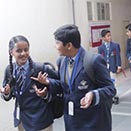
A modern school environment is more than just classrooms and corridors—it is a dynamic learning ecosystem that influences how students think, engage, and grow. In cities like Gorakhpur, educational institutions are evolving rapidly, reshaping the academic experience to keep learners prepared for the future. But the essential question arises: Are the environments of the Best Schools in Gorakhpur, like Academic Global School, truly valuable and future-ready? A closer look reveals how infrastructure, culture, and teaching methods combine to create learning spaces designed for tomorrow.
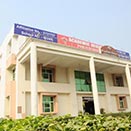
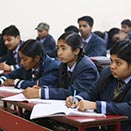
The physical infrastructure of leading academic institutions is built to spark curiosity and creativity rather than restrict it. Spacious classrooms, digital labs, fully equipped libraries, and integrated learning zones contribute to a setting where students can explore more than what is prescribed in textbooks. Many schools now incorporate outdoor learning spaces, innovation rooms, and flexible seating to make the environment student-centric. Even institutions offering residential facilities, such as schools with hostels, assure that academic and living spaces merge seamlessly to support uninterrupted learning and balanced growth. Such environments collectively encourage students to adopt a self-motivated mindset, preparing them for a world that demands adaptability and initiative.
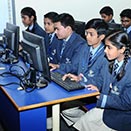
The integration of technology in the classroom has become more than just a means of teaching but rather a vital component to developing a 21st-century learning environment. Through the use of tools such as Smartboards, AI (artificial intelligence)-assisted learning, virtual labs, and online digital resource libraries, educators and students are enabled to participate in a more engaging, immersive learning experience. Furthermore, a School With Hostel in Gorakhpur that leverages digital monitoring systems and virtual communication platforms improve coordination of services among parents and staff and increase the level of accessibility and efficiency.
Today's educational systems recognize that academic performance relies heavily upon emotional balance, mental wellness, and a healthy body. Therefore, many educational facilities are now placing greater emphasis on providing adequate support services, such as therapy rooms, meditation areas, gardens/landscapes, and play areas. Some residential campuses provide structured routines, nutritious dining, and pastoral care that help maintain mental and physical health. By intentionally fostering an environment in which students can thrive with regard to their whole personal wellness, schools will prepare themselves and their students to face the challenges of daily living with strength and tenacity.
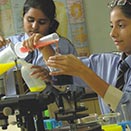
A future-ready school environment is deeply connected to how the curriculum is designed and delivered. Schools are now graduating their students more towards skills-based experiential learning and teaching methods, rather than exam-based. Students may receive these valuable skills through project-based learning, working in teams with their peers on research or laboratory assignments, using hands-on experimentation, and learning from communication and leadership experiences. Schools offering hostel facilities further support this by extending learning beyond daytime hours; study clubs, peer learning groups, and supervised prep sessions enrich the academic environment holistically.
Future-ready school environments are also defined by the cultural ecosystem they build. Activities like international collaborations, linguistic programs, global exchange interactions, and multicultural celebrations expose students to diverse perspectives. Schools with residential facilities, such as hostels, broaden this exposure further by bringing students from various backgrounds to live and learn together. Such diversity cultivates respect, collaboration, and open-mindedness, qualities essential for thriving in global workplaces and multicultural societies.
Innovative learning environments in emerging institutions represent a transition to a more holistic, tech-enabled, and student-focused learning model. Innovative classroom designs, wellness and wellness-driven campus designs, and innovative residential setups all contribute to creating students who are not only academically developed but are prepared to be successful in the future. The value of these environments lies in their ability to empower learners to become confident, capable, and globally aligned members of society who will lead in the future.