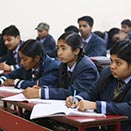
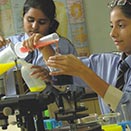
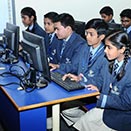
Competitive exams have a way of arriving faster than anyone expects. One moment, a child is in Class 7 enjoying science lessons, and the next, the family is deep in conversations about JEE, NEET, and board percentages. The schools that produce students who handle this transition well are not the ones that suddenly intensify pressure in Class 11; they are the ones that have been building the right foundation quietly, consistently, for years. The Schools in Gorakhpur understand this deeply, and institutions like Academic Global School have structured their academic programmes around exactly this long-game approach to competitive exam readiness.
The single biggest predictor of competitive exam performance is not how many mock tests a student has taken; it is how well they understood their subjects in the years before the exam arrived. JEE and NEET are not memory tests. They are designed specifically to expose students who have mugged up content without understanding it. A school that teaches Physics by explaining why things happen, not just what happens, produces students who can apply their knowledge to questions they have never seen before. That adaptability is what separates students who clear these exams from those who come close but fall short. It cannot be built in a year. It takes several years of being taught by people who genuinely understand their subjects and care whether their students do too.
Regular, honest assessment is one of the most undervalued tools in competitive exam preparation. The Best CBSE School in Gorakhpur will have a structured system of periodic testing that goes beyond end-of-term exams. Weekly or fortnightly subject tests, analysed properly and followed up with targeted revision, allow students to address weaknesses before they become entrenched habits. Regular subject-wise tests that mirror the format and difficulty of actual competitive exams.
There is a version of competitive exam preparation that works and a version that quietly destroys students. The version that works treats preparation as a natural extension of good teaching, more rigorous, more focused, but built on a foundation that has been laid over the years. The version that does not work is the one that begins cramming enormous volumes of content into exhausted teenagers who have been told everything depends on a single exam. Schools that take student well-being seriously understand that sustained performance requires sustained energy. That means building in recovery time, maintaining activities beyond academics, and ensuring students have access to support when the pressure becomes too heavy to carry alone.
For students who board, the hours outside the classroom are just as significant as the hours inside it. A well-structured School With Hostel Gorakhpur provides the kind of environment that naturally supports serious exam preparation, consistent study hours, access to teachers in the evening for doubt-clearing, and a peer group where academic effort is the norm rather than the exception. Living alongside other students who are working toward similar goals creates a quiet but powerful culture of motivation. Students push each other without anyone necessarily intending it. They share strategies, discuss difficult problems, and normalise the kind of focused daily effort that competitive exams ultimately reward. This is something that even the best day-school environment struggles to replicate.
Class 12 is where everything comes together or falls apart. By this stage, the quality of a student's preparation over the preceding years becomes very evident. Students with strong foundations use Class 12 to sharpen, consolidate, and practise under realistic conditions. Here is what good schools do differently in this final stretch:
Competitive exam success is rarely the result of a single inspired year of hard work. It is usually the quiet accumulation of good teaching, honest assessment, and consistent effort over a much longer period. Parents who choose a school with this long view in mind, rather than one that makes impressive promises about results, are making a decision that their child will benefit from for years. The exam is important. What happens in the years before it matters just as much.