Most parents associate discipline with rules, a list of things students are not allowed to do and consequences when they cross the line. That kind of discipline is built through environment, routine, and the quiet accumulation of daily habits, not through enforcement alone. Institutions like Academic Global School, one of the leading School With Hostel Gorakhpur have demonstrated that a well-structured residential programme does not just house students, it actively shapes how they learn to manage themselves.
Ask any student who has struggled with consistency, and they will usually describe the same problem good intentions that collapse under the weight of daily decisions about when to study, for how long, and what to prioritise. Willpower is a finite resource. It gets depleted by small decisions throughout the day before it is ever applied to anything important. A structured residential environment removes a significant portion of those decisions. When wake-up time, meal times, study hours, and lights out are fixed and consistent, students spend far less mental energy managing their schedule and far more actually engaging with their work. Over weeks and months, that consistency produces habits that eventually become self-sustaining, long after the external structure has been removed.
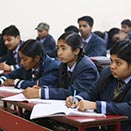
Living alongside other students who take their studies seriously creates a kind of ambient motivation that is very difficult to manufacture in a home environment. The opposite is also true, which is why the quality of the peer culture in a residential school matters enormously. The Best CBSE School in Gorakhpur with a well-managed hostel actively cultivates a student community where academic effort is respected and where students hold each other to standards not through pressure, but through example.
There is a stage in a child's development where learning to function without immediate parental support is not just useful, it is necessary. Students who never have to navigate daily life independently often arrive at university or the workplace without the self-management skills that their peers take for granted. A residential school creates the conditions for this development in a supervised, supported environment. Students learn to resolve minor conflicts without a parent stepping in, manage their own belongings and schedules, and develop the self-awareness that comes from living closely with others. These are not abstract life skills; they translate directly into the kind of focused, organised approach to work that every demanding academic environment eventually requires.
This point is rarely discussed but genuinely significant. At home, even the most well-intentioned study environment competes with family conversations, household noise, digital devices, and the general texture of domestic life. Among the Schools in Gorakhpur that produce consistently strong academic results, those with residential programmes report something their day-school counterparts often cannot match: students who arrive at study periods mentally ready to work, rather than carrying the residue of a busy evening at home. The separation that residential life provides is not an emotional distance from family. It is a cognitive clearing that makes deep, sustained study significantly more achievable.
A hostel is only as good as how it is run. The structure, the supervision quality, and the culture within the residential community all determine whether a student thrives or merely survives the experience. Here is what separates residential programmes that genuinely develop discipline from those that simply impose it:
The question is not really whether a residential school can improve discipline and focus, experience and evidence both suggest it can, provided it is run well. The more useful question is whether it is the right environment for your particular child at this particular stage of their development. Some students flourish when given that structured independence early. Others need more time. Knowing the difference requires honest conversations with your child, with the school, and with yourself about what your child genuinely needs to grow into the best version of themselves.