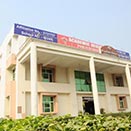
Facilities are among the first things parents notice during a school visit and among the easiest to be misled by. A gleaming campus with state-of-the-art equipment can mask mediocre teaching just as easily as a modest building can house exceptional education. That said, facilities do matter. When they are thoughtfully designed, consistently maintained, and genuinely integrated into how students learn each day, they make a real difference to outcomes. The Best Schools in Gorakhpur understand this distinction clearly, and institutions like Academic Global School have built environments where infrastructure serves learning rather than simply advertising it. Here is what that actually looks like across the key areas parents should be evaluating.
The basic classroom has not changed much in a century, rows of students facing a teacher at the front. The best schools have moved beyond this, not necessarily by eliminating it, but by creating flexibility. Moveable furniture that allows group work and discussion. Wall space is used for student output rather than decorative posters. Acoustic quality that allows a teacher's voice to carry without strain and students to hear clearly without effort. Among the Top 10 Schools in Gorakhpur, those that invest in classroom environment, not just classroom technology, consistently report better student engagement. A well-designed learning space communicates to students that their comfort and attention matter. That signal, subtle as it is, shapes how students show up to learning each day.
Every school prospectus features a science lab. The relevant question is not whether the lab exists; it is how often students are actually in it and what they do when they get there. A laboratory that is used weekly for genuine experimental work, where students form hypotheses, make observations, and occasionally get results that surprise them, is a fundamentally different educational resource from one that is kept pristine for annual practical exams.
Physical activity is not a reward for finishing academic work; it is a component of a complete education. The neurological connection between regular physical movement and cognitive performance is well established, and schools that take sport seriously are not making a lifestyle choice. They are making an educational one. Good sports infrastructure goes beyond a field and a basketball court. It includes qualified physical education staff, a structured sports curriculum that develops skills progressively, and enough equipment for every student to participate meaningfully rather than stand around waiting for their turn.
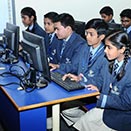
Technology in schools has attracted enormous investment over the past decade, not all of it well directed. Smart boards are used exactly like old blackboards. Computer labs that students visit once a fortnight. Tablet programmes where the devices become a source of distraction rather than a tool for learning. The Best English Medium School in Gorakhpur approaches technology differently; they start with a clear understanding of what specific learning outcomes they want technology to support, and then choose tools that serve those outcomes rather than adopting whatever is most visible or most recently marketed to schools. When technology is integrated thoughtfully, it extends what teachers can do and what students can access.
This category is consistently underweighted by parents during admissions decisions and consistently overweighted in terms of its actual impact on student outcomes. A school that has no dedicated pastoral support, no trained counsellor, no structured system for identifying struggling students, no clear process for raising welfare concerns is leaving a significant gap in its care, regardless of how impressive its academic facilities are. Here is what adequate well-being infrastructure involves:
The facilities a school offers today reflect decisions made years ago about what kind of institution it wants to be. Infrastructure that is well-maintained and genuinely used tells you something important about leadership, priorities, and institutional culture. Infrastructure that exists primarily for display tells you something equally important. When you visit schools, look at what is actually happening in the spaces, not just what those spaces look like when no one is in them. The difference between a living facility and a showpiece is one of the clearest signals available about what a school truly values.