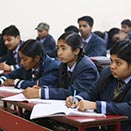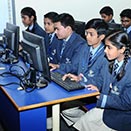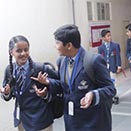
Culture is the part of a school that never appears in a brochure. It lives in the hallways between classes, in how a teacher responds when a student gives a wrong answer, in whether students feel genuinely safe to ask questions or quietly learn that staying silent is the smarter option. It is built slowly, through thousands of small interactions, and it shapes outcomes in ways that infrastructure and curriculum alone never can. The Best Schools in Gorakhpur, with institutions like Academic Global School, distinguished not just by what they teach but by the environment in which learning happens. have invested deliberately in this culture and the difference it makes is visible in their students long after they have left.
Walk into two schools with identical resources, and you will often find entirely different levels of student engagement. One classroom feels alive, students are thinking, contributing, occasionally disagreeing with each other in productive ways. Another feels flat; students are present but passive, waiting to be told what to write down. The difference is culture, and it begins with teachers. A teacher who is genuinely curious about their subject communicates that curiosity without trying to. A teacher who sees their students as individuals rather than a group to be managed through a syllabus creates a classroom where students feel that their thinking matters.
The educational environments that most reliably kill curiosity are those where wrong answers are embarrassing, where questions slow things down, and where the purpose of learning is visibly and exclusively to perform well on assessments. Schools that protect and develop curiosity do something structurally different. They treat mistakes as data rather than failures. They build time into the curriculum for exploration that is not immediately assessed. They celebrate the student who asks an unexpected question as much as the one who produces the correct answer. Among the Top Schools in Gorakhpur UP, those that consistently send students to top universities tend to share this orientation; they produce students who find problems interesting rather than threatening.
There is a tendency to associate high expectations with pressure, and pressure with harm. The reality is more nuanced. Students who are held to genuinely high expectations and given the support to meet them develop a self-perception that serves them throughout their lives. They come to see themselves as capable of difficult things. That identity, once established, is remarkably durable. The schools that get this right are careful about the distinction between expectations that stretch and expectations that crush. Stretching means asking students to go slightly beyond what they believe they can do, with scaffolding in place to make that possible. Crushing means demanding performance without support, creating anxiety rather than confidence. The best school cultures navigate this line deliberately, adjusting for individual students rather than applying uniform pressure regardless of circumstance.
Students who come from schools with genuine learning cultures approach competitive exam preparation differently from those who have been drilled on content. They are more adaptable, more comfortable with unfamiliar problem formats, and significantly less prone to the panic that derails otherwise capable students under pressure. Structured NEET training programmes in Gorakhpur that are embedded within a school culture of genuine inquiry, rather than running as a separate, high-pressure track, produce students who enter the exam hall having internalised the thinking patterns the paper tests. Here is what that looks like in practice:
Most of what defines a school's learning culture is not visible during a standard admissions tour. It requires paying attention to different things than most parents naturally look for. Here is where the real signals are:
Learning culture cannot be retrofitted once a school's habits are established; it has to be built from the ground up, sustained through leadership, and protected through the daily choices teachers and students make together. The schools that have genuinely achieved it are places where education feels meaningful rather than merely transactional. When you find one, and you will know it when you do, hold onto that impression. It matters more than anything else you will discover during your search.